

Where to River Cruise: A Guide to the World's Rivers
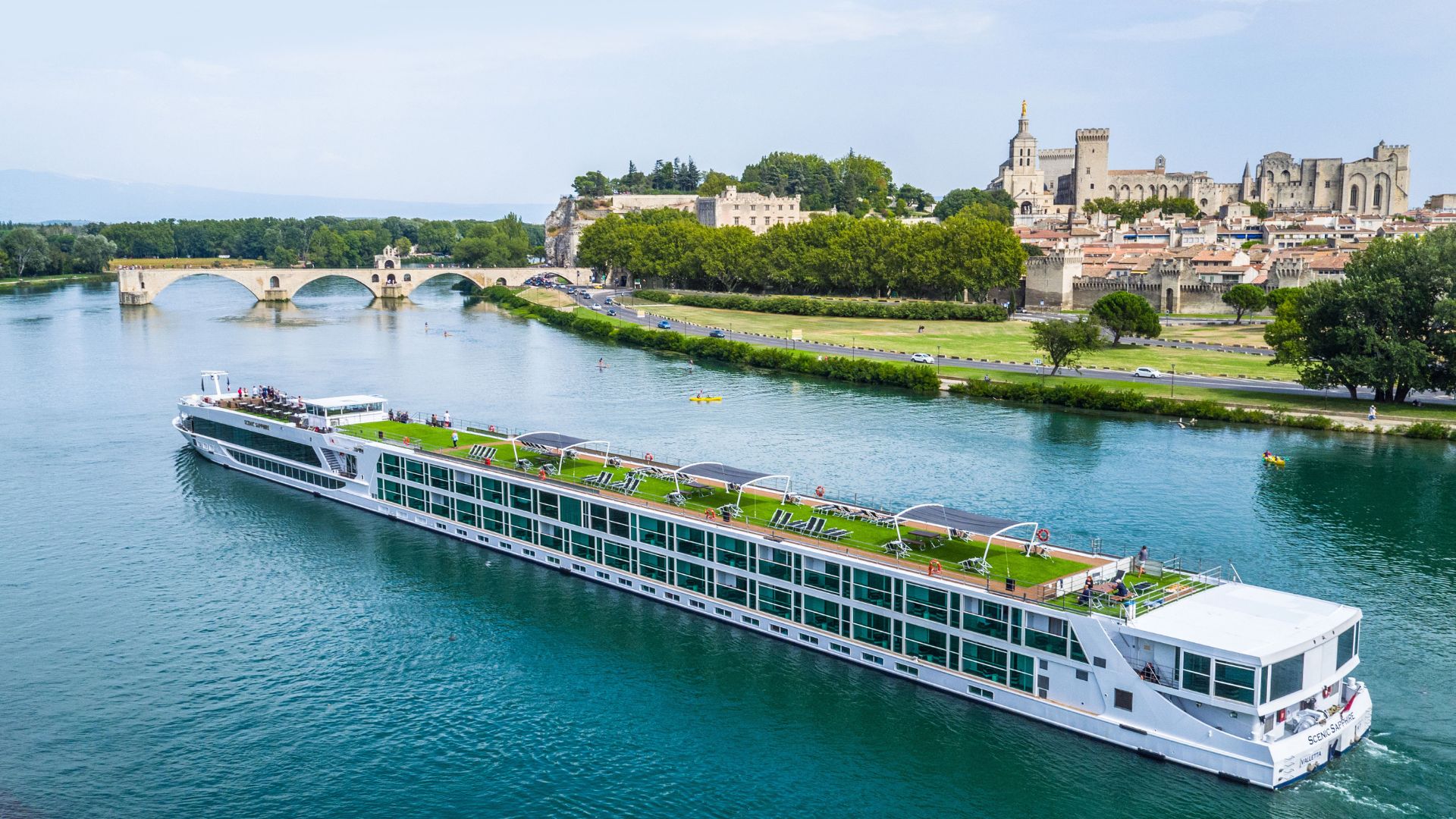
A river cruise takes you through the middle of a country, past the towns and farmland that grew up along its banks. You unpack once, and each morning the ship is moored somewhere new.
Every river has its own character. On some, the vineyards set the tone of the trip. On others, it's ancient temples and the daily life of the villages along the shore.
This guide looks at the rivers our clients ask us about, with the places you'll visit along each and the time of year we'd suggest travelling. If you're still deciding whether river cruising suits you, read our guide to [Internal link: River, Ocean or Expedition Cruising: Which Suits You?].
Central Europe
The Rhine and the Danube are linked by the Main River and the Main-Danube Canal, creating a waterway that crosses Europe between the North Sea and the Black Sea. Many itineraries combine the rivers in a single cruise, sailing between Amsterdam and Budapest in around two weeks.
The Rhine
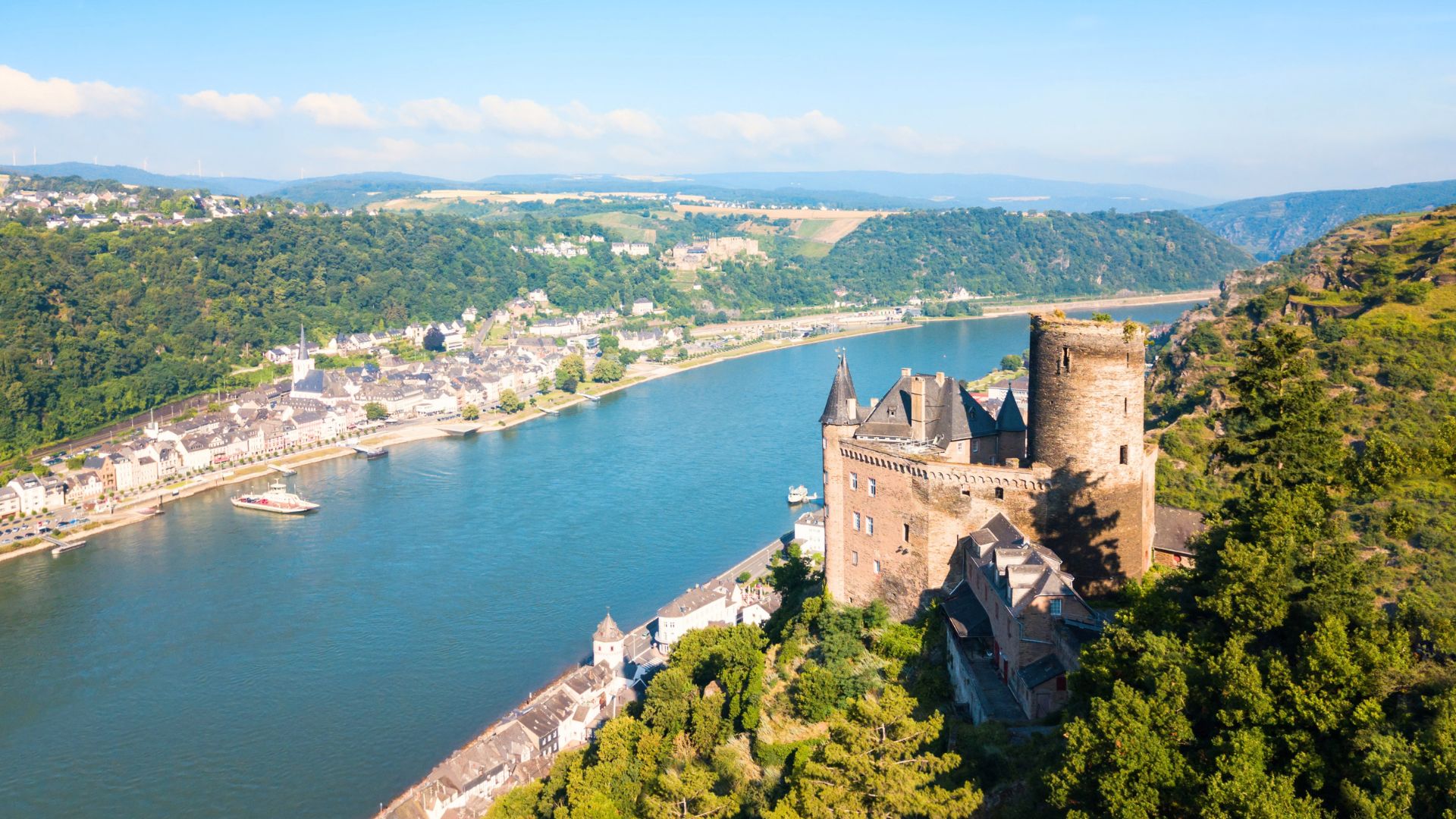
The Rhine rises in the Swiss Alps and reaches the North Sea in the Netherlands, passing through Germany and France on the way. It's a popular choice for a first river cruise, with a castle on what seems like every second hilltop.
The stretch between Rüdesheim and Koblenz, known as the Middle Rhine, is a UNESCO World Heritage Site. Steep vineyards line both banks, and this is Riesling country, so wine tastings feature on many itineraries. As you sail past the Lorelei, a rock face tied to the legend of a siren who lured sailors onto the rocks, the cruise director usually tells the story over the ship's speakers.
Along the way, you might visit Cologne, where the Gothic cathedral took more than 600 years to complete. In Strasbourg, half-timbered houses line the canals of La Petite France. Rüdesheim is the place to try a Rüdesheimer coffee, made with the town's own brandy, while many cruises begin or end in Basel.
When to go: The Rhine season runs between late March and December. Spring sailings through the Netherlands coincide with tulip season, and late November and December bring the Christmas markets in Cologne and Strasbourg.
The Main
The Main is a smaller, quieter river that winds through Franconia in northern Bavaria. It's known for Franconian wine, particularly dry Silvaner sold in round, flat-sided bottles called Bocksbeutel, as well as for its Baroque towns.
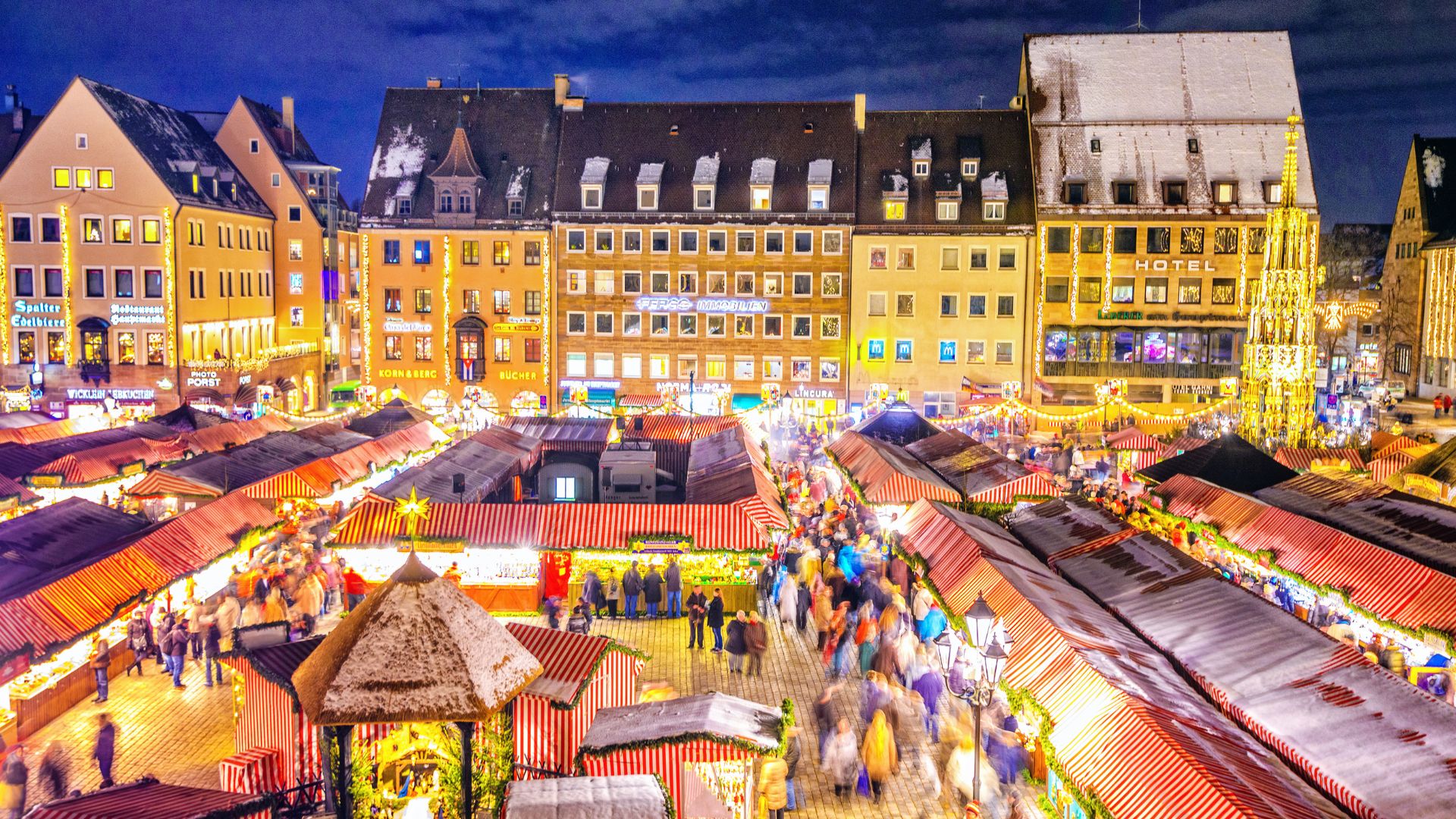
Highlights include Würzburg, where the UNESCO-listed Residenz palace has a vast ceiling fresco by Tiepolo above its main staircase. Bamberg's old town is also UNESCO-listed and known for Rauchbier, a smoked beer brewed there for centuries. Nuremberg offers a medieval old town alongside sobering 20th-century history, including the courtroom where the Nuremberg trials were held. Smaller stops such as Miltenberg are filled with half-timbered houses.
When to go: April to October, with Christmas market cruises in late November and December. Nuremberg's Christkindlesmarkt is a long-standing favourite.
The Danube
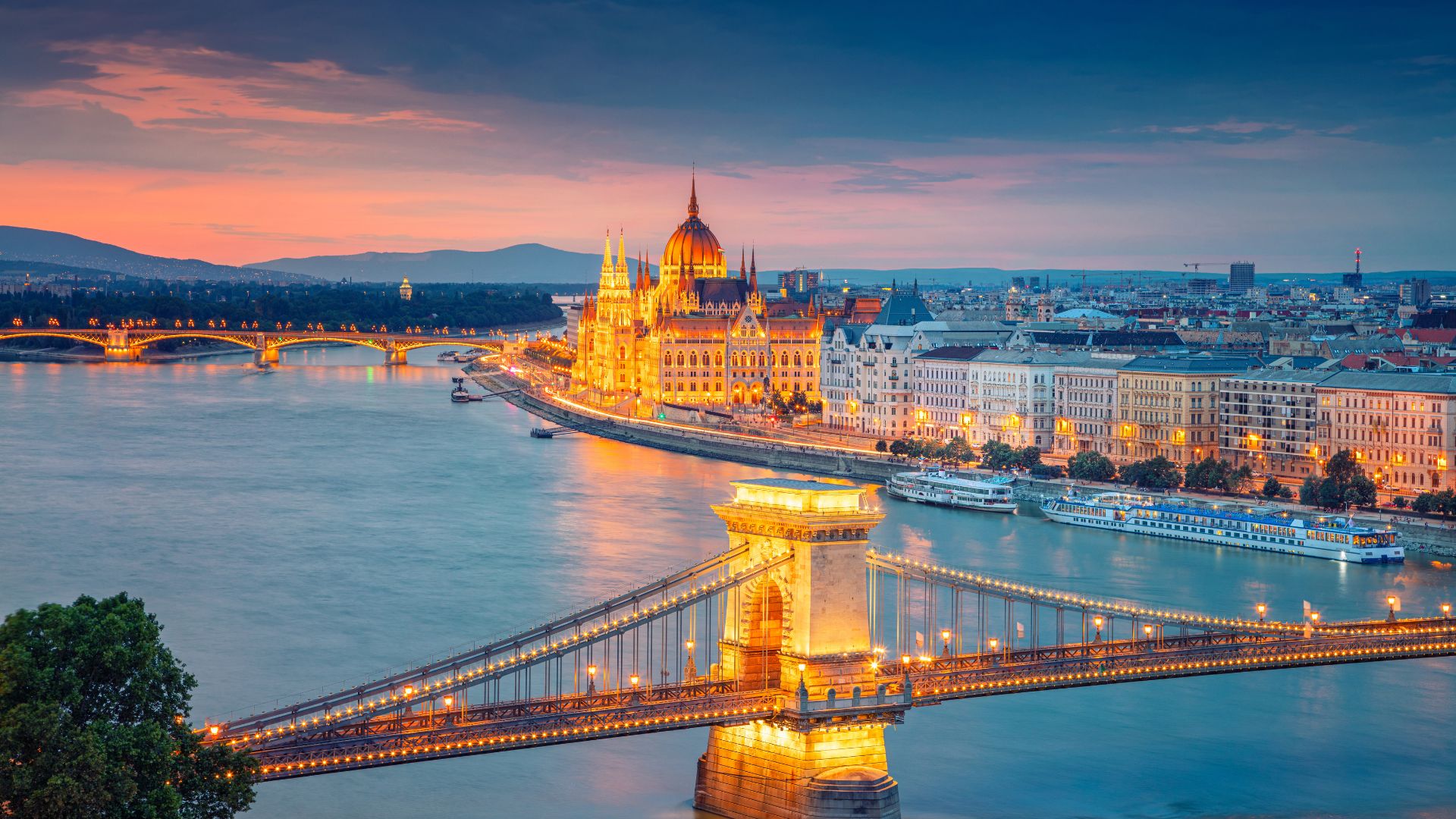
The Danube flows through ten countries before reaching the Black Sea, and a cruise here links some of Europe's grand capitals. It's a river for travellers who enjoy classical music and imperial history, with a good dose of food and wine along the way.
In Austria, the Wachau Valley is a UNESCO-listed stretch of terraced vineyards and apricot orchards, known for its Grüner Veltliner and Riesling wines. Above it sits Melk Abbey, a Baroque Benedictine monastery with a celebrated library. In Vienna, you can tour Schönbrunn Palace or attend an evening concert of Mozart and Strauss. Further downstream, Bratislava has a compact old town, and Budapest's Parliament building is lit up at night as the ship sails through the city.
Longer itineraries continue along the Lower Danube through Serbia and Romania, passing Belgrade and the Iron Gates gorge before reaching the Black Sea.
When to go: April to October for warm days and long evenings, with Christmas market cruises through Germany and Austria in late November and December.
France
France has several river cruise regions, and each one comes with its own food and wine. Itineraries usually run for a week, and many can be combined with a few days in Paris.
The Seine
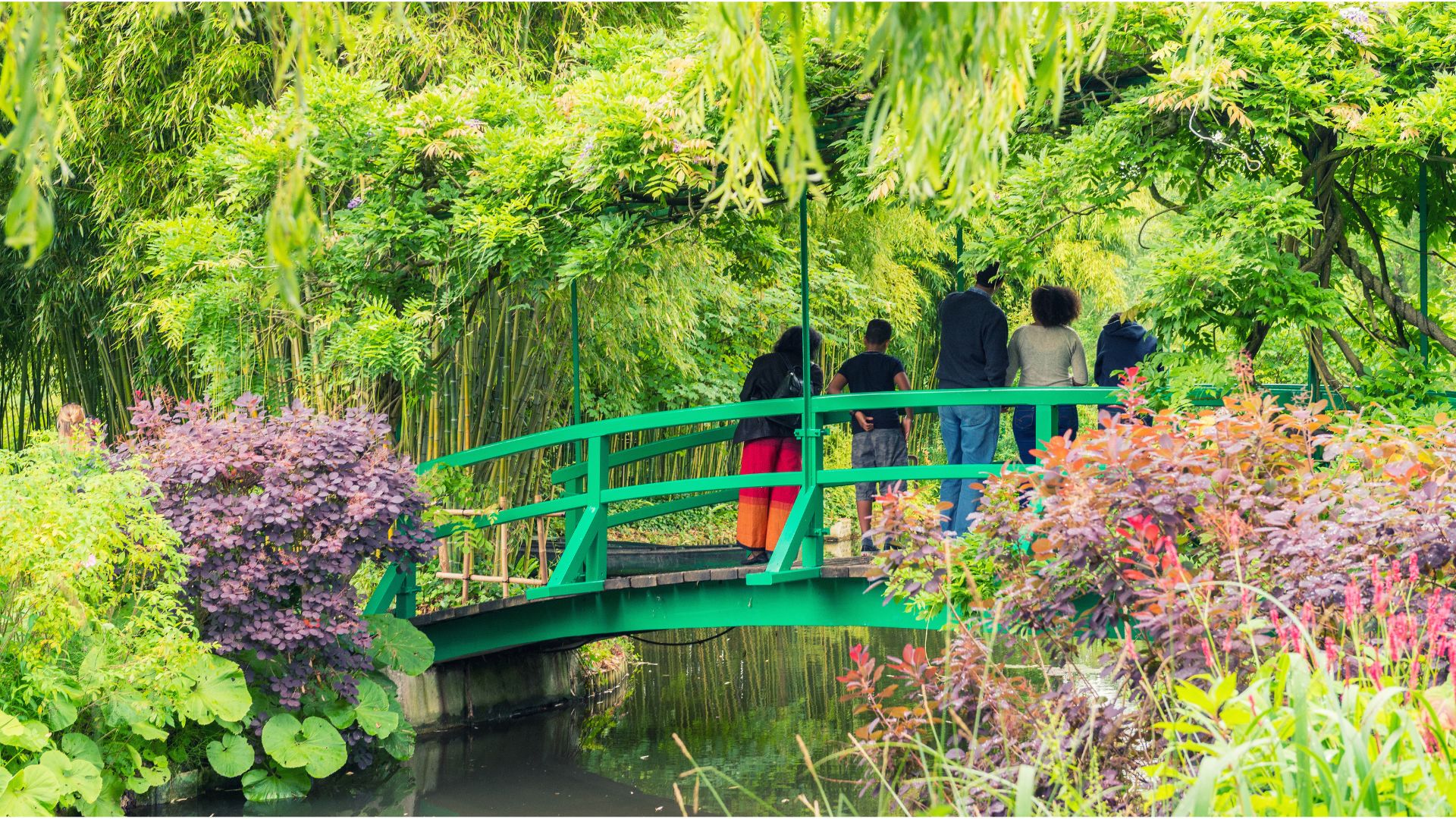
The Seine connects Paris with the Normandy coast. It's a river for travellers interested in Impressionist art and Second World War history, with apple orchards and dairy farms in between. Normandy is home to Calvados apple brandy and Camembert cheese, and both usually appear at the dinner table.
At Giverny, you can walk through Claude Monet's house and garden, including the lily pond he painted many times. Rouen has the cathedral Monet painted in changing light, as well as the square where Joan of Arc was executed. From the ship, many itineraries include a day at the D-Day landing beaches, and the harbour town of Honfleur is a favourite with painters.
When to go: April to October. Monet's garden at Giverny is generally open between April and early November, with spring and early summer bringing the gardens into full flower. [Verify Giverny opening dates]
The Rhône and Saône
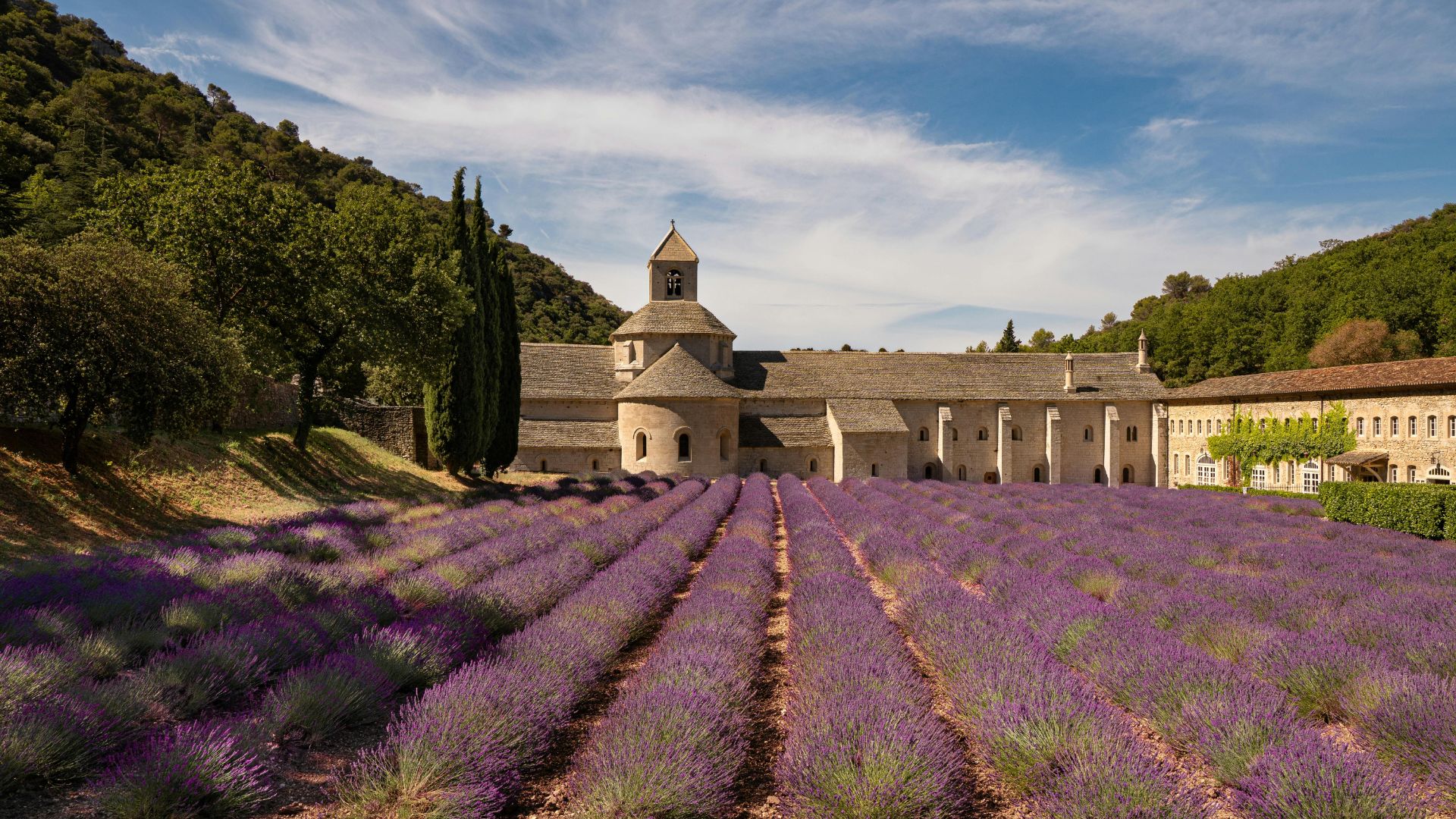
The Rhône and its tributary, the Saône, run south through Burgundy and Provence. This is a cruise for food and wine lovers, beginning in Lyon, home to the bouchons, small traditional bistros serving hearty Lyonnaise cooking.
In Burgundy, you can taste Pinot Noir and Chardonnay, and visit Beaune with its Hospices and their patterned, glazed-tile roof. At Tournon, some itineraries include a ride on a vintage steam train through the Doux Valley. Heading south, the Palais des Papes in Avignon was home to the popes in the 1300s. Arles has a Roman amphitheatre still in use today, along with the streets and cafés Vincent van Gogh painted during his time there.
When to go: April to October. Lavender fields in Provence flower between late June and July, and September brings the grape harvest in Burgundy.
The Bordeaux rivers
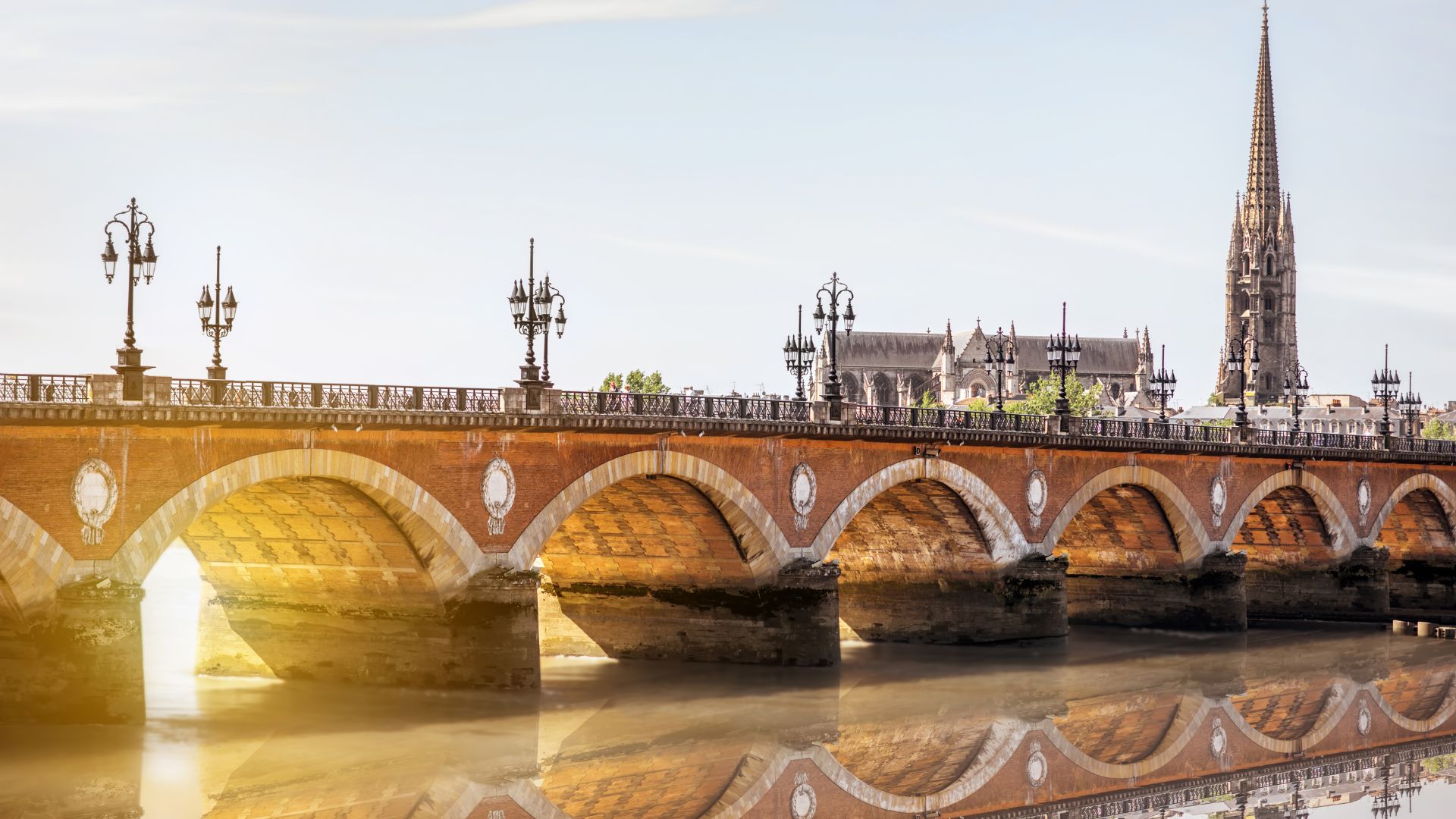
Cruises in Bordeaux follow the Garonne and Dordogne rivers and the Gironde estuary where they meet. Wine is the focus here, with château visits and tastings on most days.
Saint-Émilion is a UNESCO-listed medieval village surrounded by vineyards, with a church carved into the limestone beneath it. Along the Gironde, the Médoc is home to some of Bordeaux's grand wine estates, and the citadel at Blaye looks across the estuary. Back in the city of Bordeaux, La Cité du Vin is a museum dedicated to wine cultures around the world.
When to go: April to October, with the harvest in September and October.
Portugal: the Douro
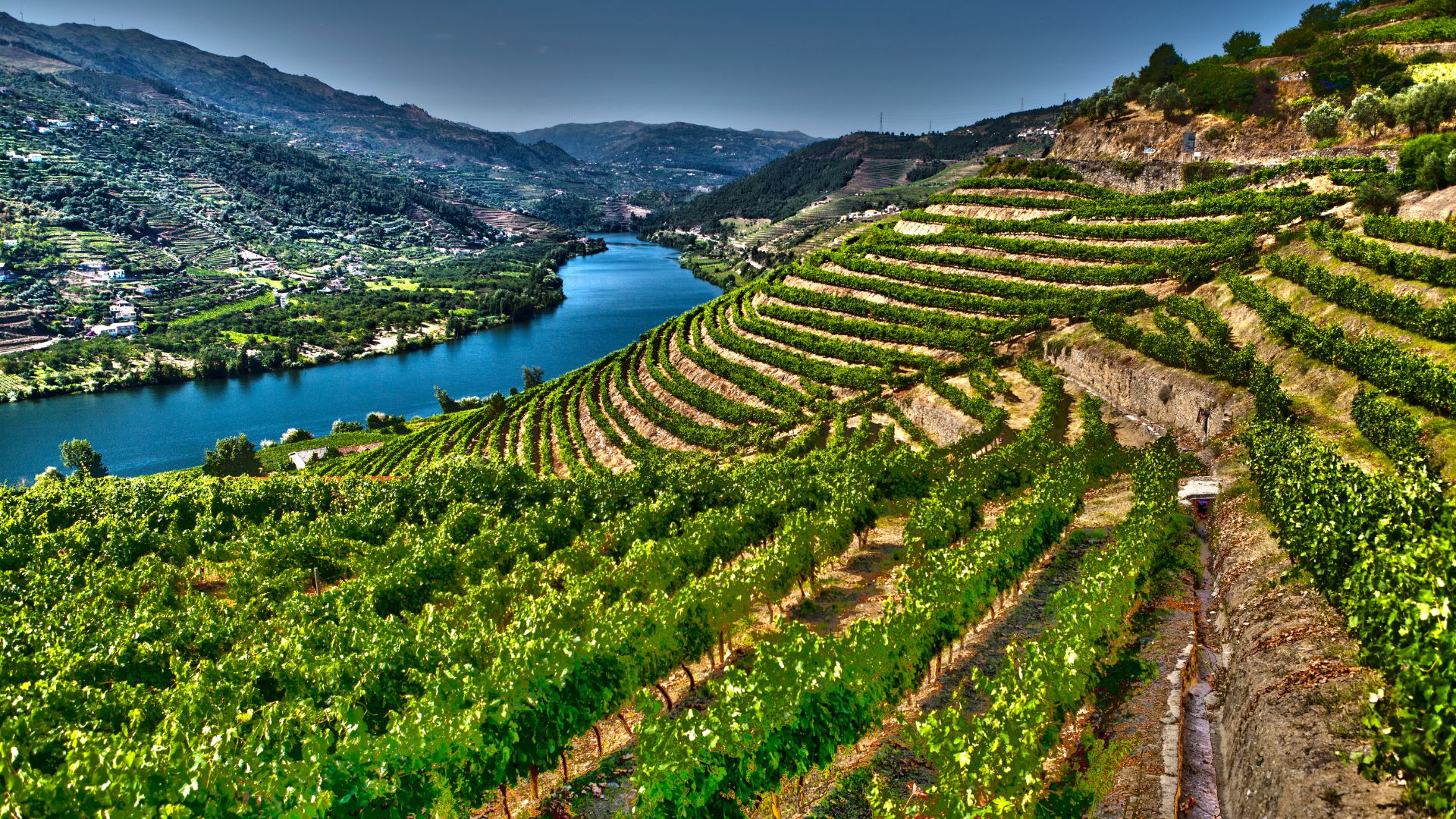
The Douro runs east from Porto towards the Spanish border, through a valley of terraced vineyards that has been making wine for around 2,000 years. The Alto Douro wine region is UNESCO-listed, and this is the home of port. It's a smaller, slower river than those in Central Europe, and the scenery is the main attraction.
Most cruises start in Porto, where the port lodges of Vila Nova de Gaia sit across the river from the old town. Upstream, Pinhão's railway station is decorated with blue-and-white azulejo tiles showing scenes of the harvest. Near Vila Real, you can visit the gardens of the Baroque Mateus Palace, the building pictured on the Mateus rosé label. Many itineraries also include a day trip across the border to Salamanca, a Spanish university city built in golden sandstone.
Along the way, you'll find plenty of Portuguese cooking on the table, with salt cod dishes and pastéis de nata, the custard tarts Portugal is known for.
When to go: The season runs between March and November. Spring and autumn are comfortable times to travel, and late September and October bring the grape harvest. July and August are hot in the upper valley, often above 35°C.
The Mekong: Vietnam and Cambodia
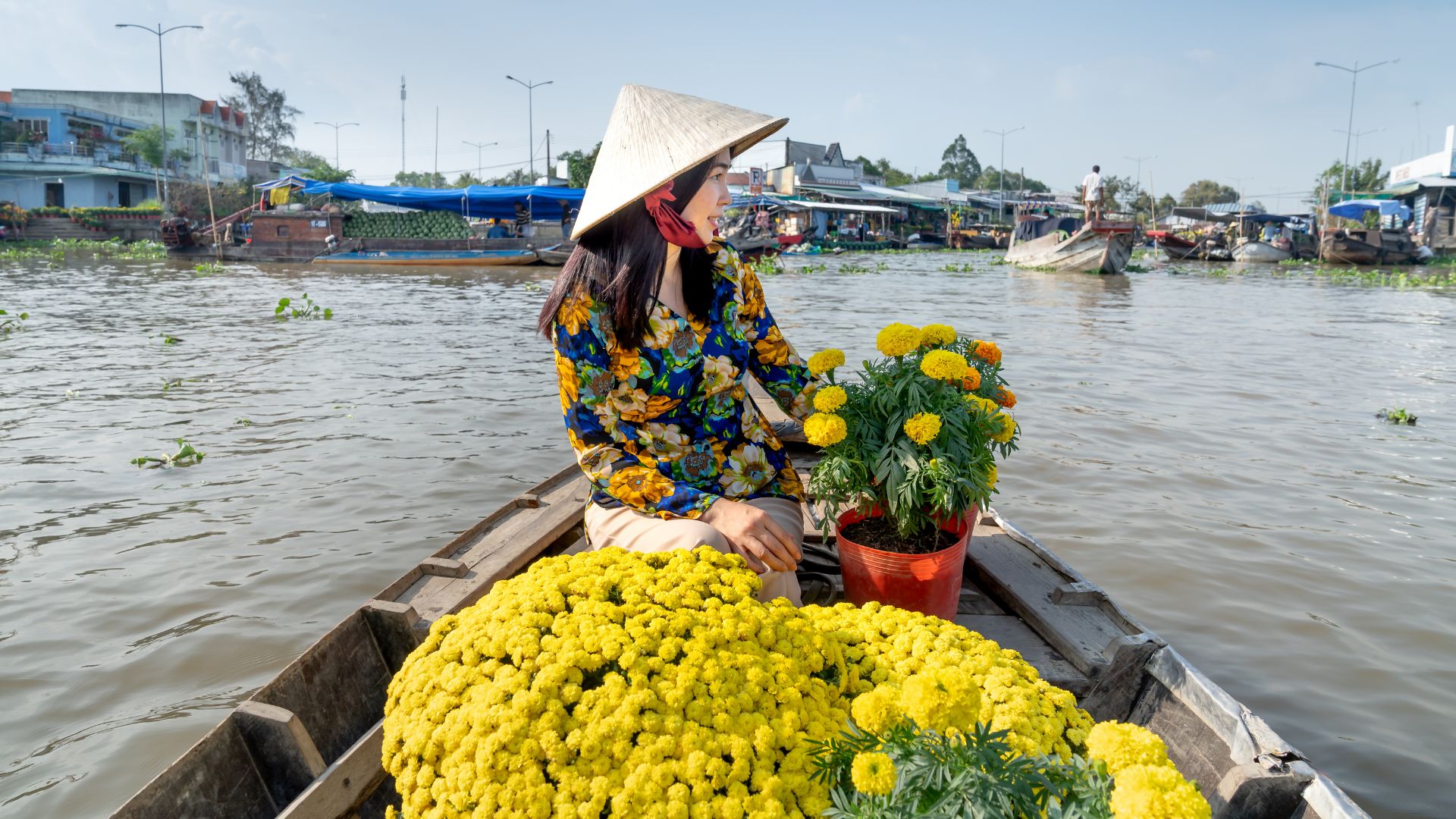
A Mekong cruise is a very different experience from Europe. Instead of grand cities, you see village life along the river, with floating markets and houses built on stilts above the water. Most cruises sail between southern Vietnam and Phnom Penh in Cambodia, and many add a few days in Siem Reap to visit the temples of Angkor.
In the Mekong Delta, you can visit local workshops and markets by sampan, a small wooden boat. Sa Dec has the French colonial house that inspired Marguerite Duras' novel The Lover. In Phnom Penh, the Royal Palace and Silver Pagoda sit near the riverfront, and visits to the Tuol Sleng Genocide Museum and the Killing Fields give a sobering insight into Cambodia's recent history. Oudong, a former royal capital, has hilltop stupas with views across the countryside.
When to go: Cruises operate for much of the year. November to March is popular for drier, cooler weather. When water levels are low, some itineraries begin or end with a road transfer. [Verify seasonal routing by cruise line]
India: the Ganges and the Brahmaputra
River cruising in India gives you a close look at rural life that's hard to reach by road. Ships are small, and the pace is gentle, with village walks and temple visits most days.
The Ganges
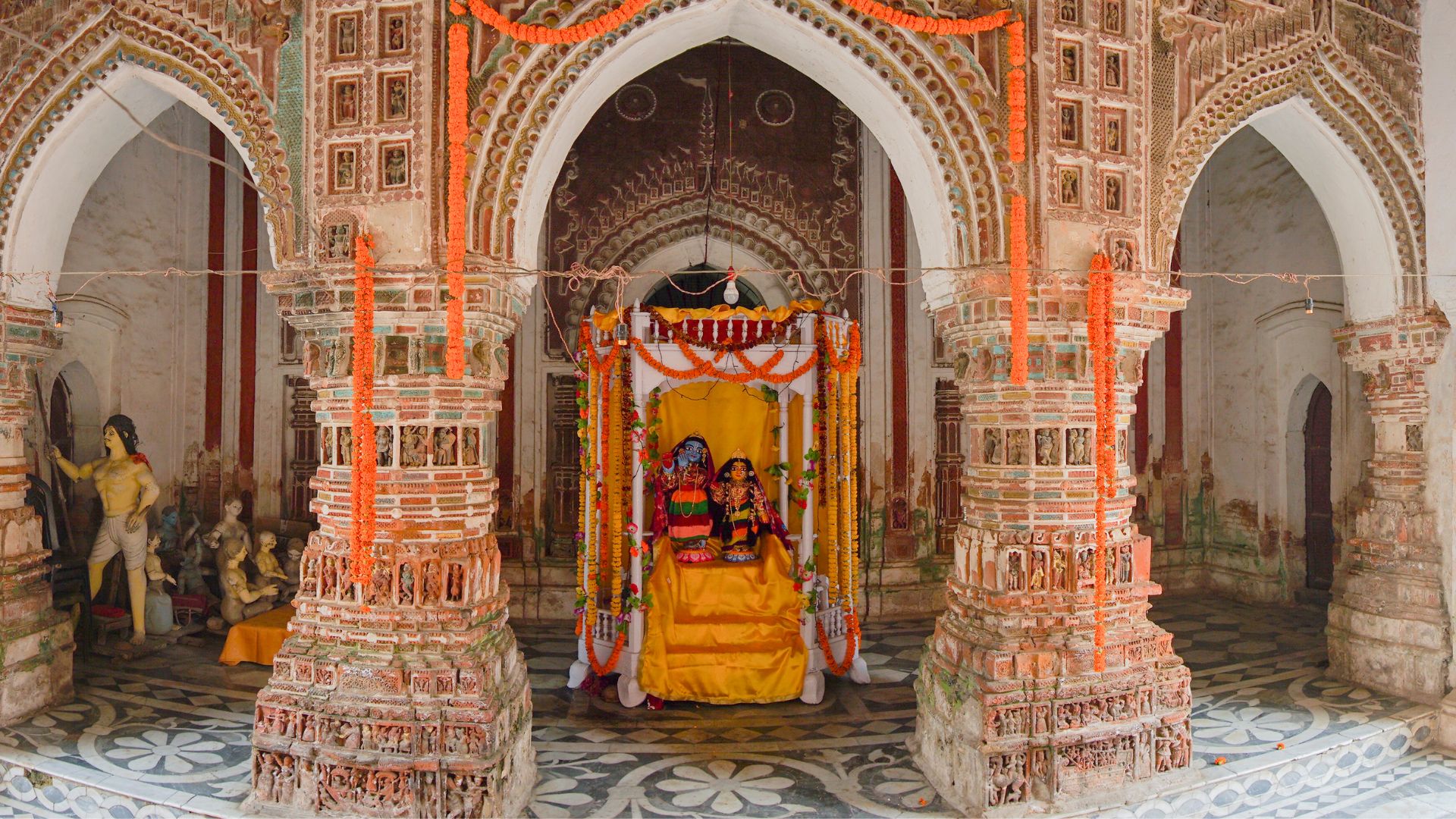
Cruises on the Hooghly, a branch of the Ganges, sail north from Kolkata through the countryside of West Bengal. The region is known for its temple architecture and traditional handicrafts.
In Kalna, a circle of terracotta temples is decorated with carved scenes from Hindu epics. At Matiari, you can watch artisans hammer brass by hand, a craft passed down through families. Murshidabad was once the capital of Bengal, and its Hazarduari Palace holds a museum of weapons and paintings. Many cruises begin or end with time in Kolkata, where the Victoria Memorial is a reminder of the city's colonial past.
The Brahmaputra

The Brahmaputra flows through Assam in India's north-east, a region known for tea and wildlife. A highlight is Kaziranga National Park, a UNESCO World Heritage Site and home to the Indian one-horned rhinoceros, which you can see on a jeep safari. Majuli, a large island in the river, is home to Hindu monasteries known as satras. In Sivasagar, you can see monuments left by the Ahom kings, who ruled Assam for around 600 years. You can also visit a tea estate and taste Assam tea where it's grown.
When to go: October to March, when the weather is cooler and drier. Cruises don't operate during the monsoon months.
Colombia: the Magdalena
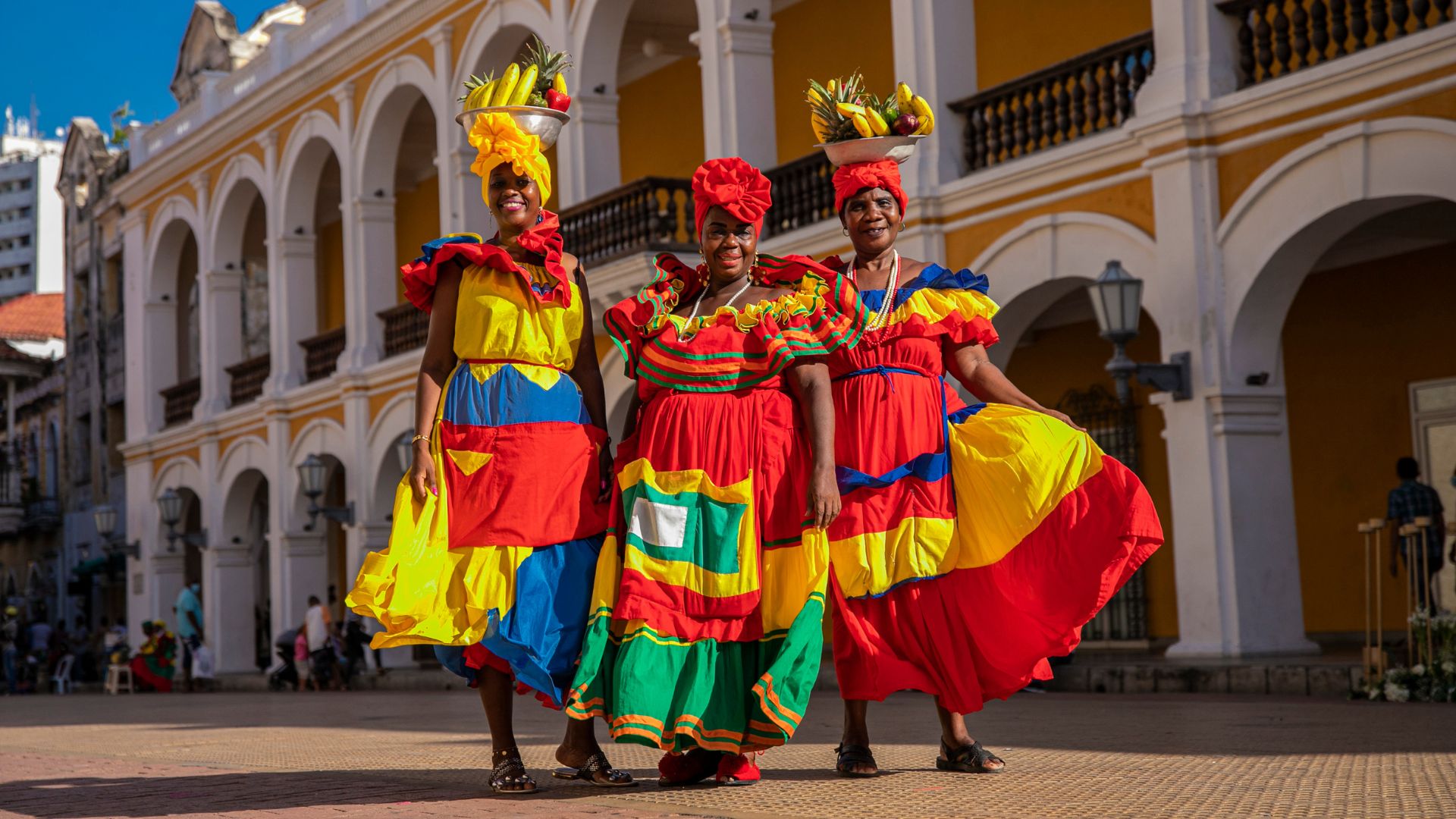
The Magdalena is one of the newer river cruise destinations, with small ships sailing its lower reaches in northern Colombia. It suits travellers who have cruised in Europe and want something different, with Caribbean music and colonial history along the way. This is the region where Gabriel García Márquez grew up, and the Magdalena appears throughout his novels.
Most cruises begin or end in Cartagena, a UNESCO-listed walled city with brightly painted colonial streets. Barranquilla is known for its Carnival, held each year in the days before Lent. Upriver, Mompox is a UNESCO-listed colonial town known for its silver filigree jewellery. Some itineraries also visit San Basilio de Palenque, a village founded by escaped slaves in the 1600s, where African traditions survive in its music and language.
When to go: December to April is generally drier. [Verify season and operating cruise lines]
The Nile: Egypt
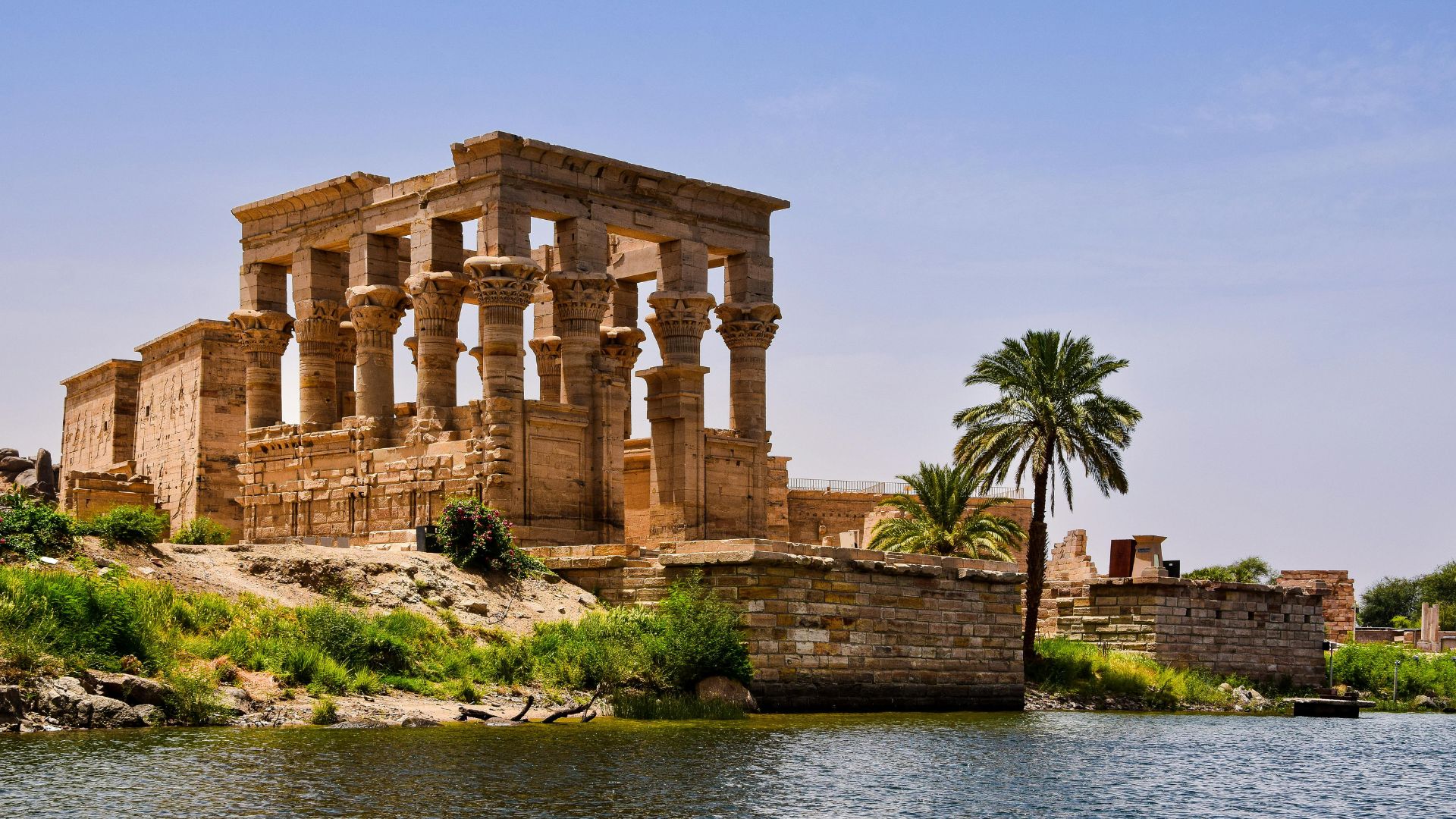
A Nile cruise is all about ancient Egypt. Most itineraries sail between Luxor and Aswan over three or four nights, visiting temples along the riverbank. Many are packaged with time in Cairo, with a visit to the Pyramids of Giza and the Grand Egyptian Museum.
In Luxor, the Temple of Karnak covers a vast site, and across the river, the Valley of the Kings holds the tombs of the pharaohs, including Tutankhamun. Further upstream, the Temple of Horus at Edfu is very well preserved, and Kom Ombo has a temple dedicated to the crocodile god Sobek. In Aswan, you can visit the Temple of Philae on its island and sail on a felucca, a traditional wooden sailing boat. From Aswan, many travellers add a flight or drive to the temples of Abu Simbel.
When to go: October to April, when the days are warm and comfortable. Summer temperatures in Aswan regularly pass 40°C.
The Mississippi
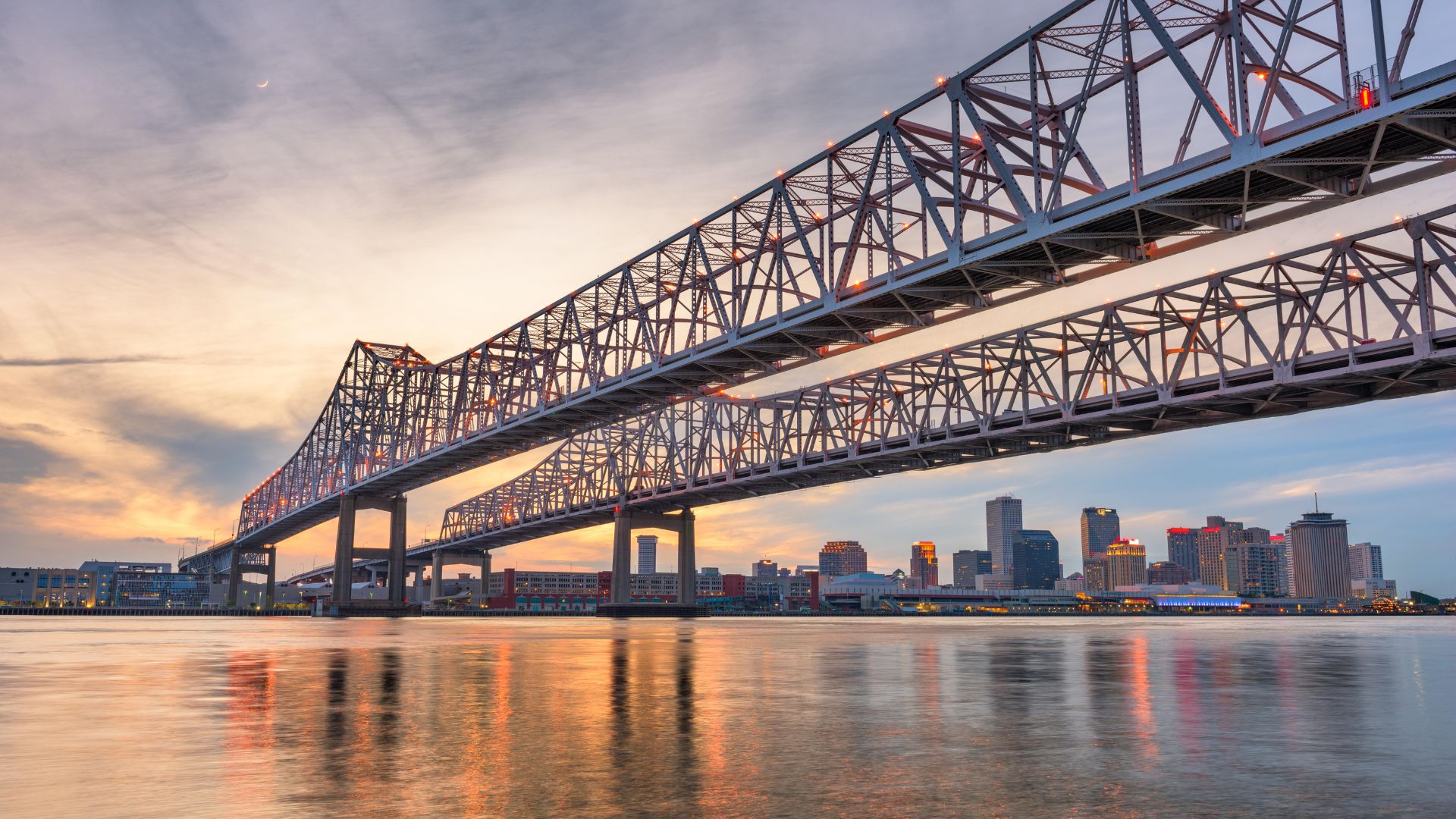
A Mississippi cruise takes you through the American South and Midwest, following the river that shaped the country's music and history. It's a good fit for travellers who have seen Europe and want to explore the United States at a slower pace.
On the Lower Mississippi, New Orleans is known for jazz and the Creole cooking of the French Quarter. Upriver, Natchez has some of the grand antebellum homes built before the Civil War, while the battlefield at Vicksburg tells the story of a 47-day siege. Memphis is the home of the blues on Beale Street, and Elvis Presley's Graceland is nearby.
The Upper Mississippi continues north through St Louis, with its Gateway Arch, to Hannibal, where Mark Twain spent his childhood. Some itineraries sail as far as St Paul in Minnesota.
When to go: Spring and autumn are comfortable times to cruise the Lower Mississippi, as summers in the South are hot and humid. On the Upper Mississippi, September and October bring autumn colour to the riverbanks.
Plan your river cruise with Envoyage
Each river cruise line sails a different mix of rivers, and the right ship can depend on the time of year you'd like to travel. Our consultants can help you compare itineraries and find a departure that suits you.
Visit us in store or contact us to start planning.
Be the first to know about our latest travel offers
Our newsletter will keep you updated with personalised deals on flights, hotels, packages