

River, Ocean or Expedition Cruising: Which Suits You?
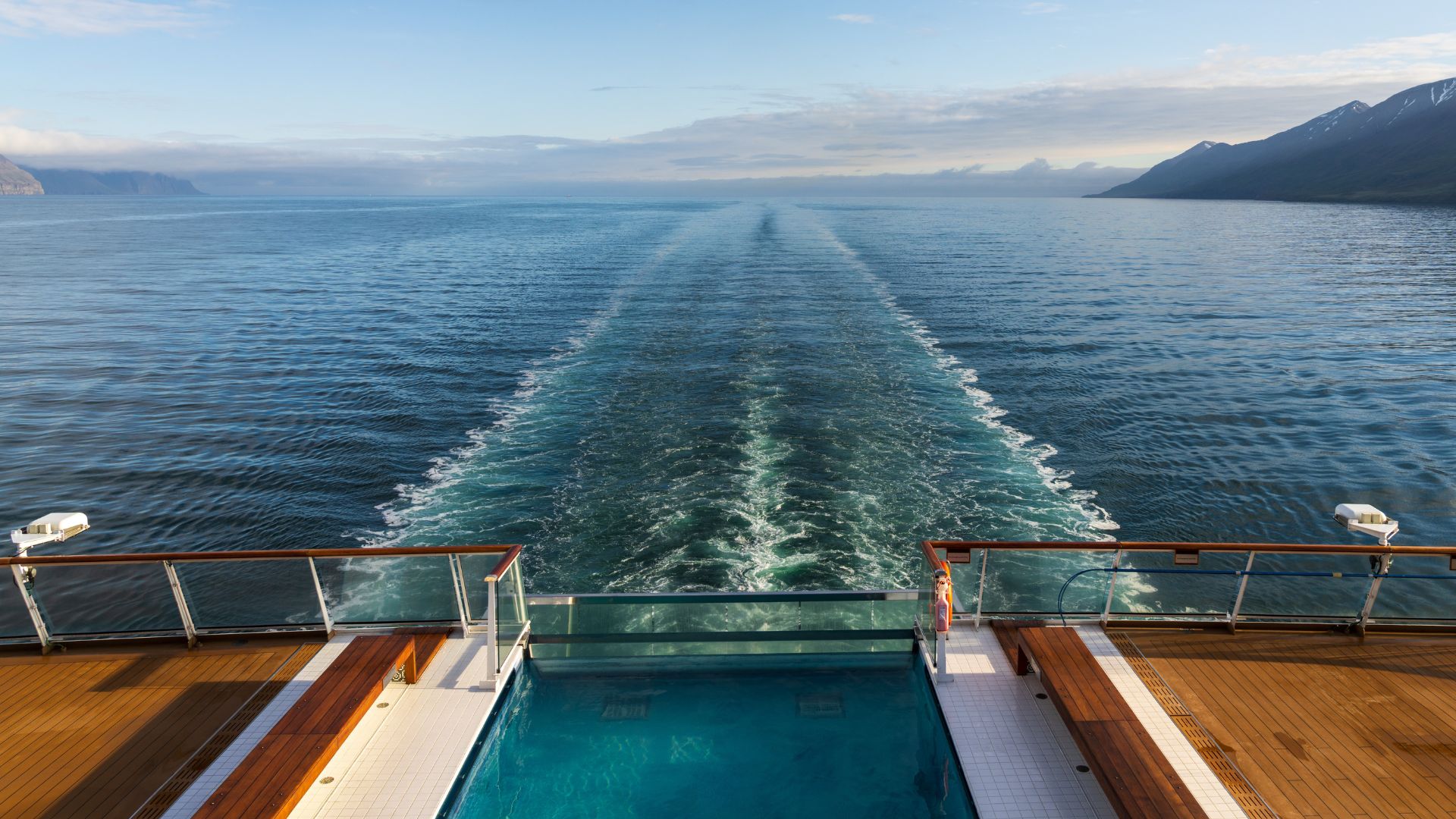
Ask a few experienced cruisers what they loved about their last holiday and the answers can sound like different trips altogether. One talks about waking up moored beside a vineyard on the Danube. Another still hasn't stopped talking about the penguins in Antarctica.
That's because river, ocean and expedition cruising are quite different ways to travel. The size of the ship changes with each style, and so does the pace of your days on board.
This guide explains how each style works and where it can take you. We've also included the cruise lines our consultants recommend for each, so you can work out which one suits the way you like to travel.
What is river cruising?
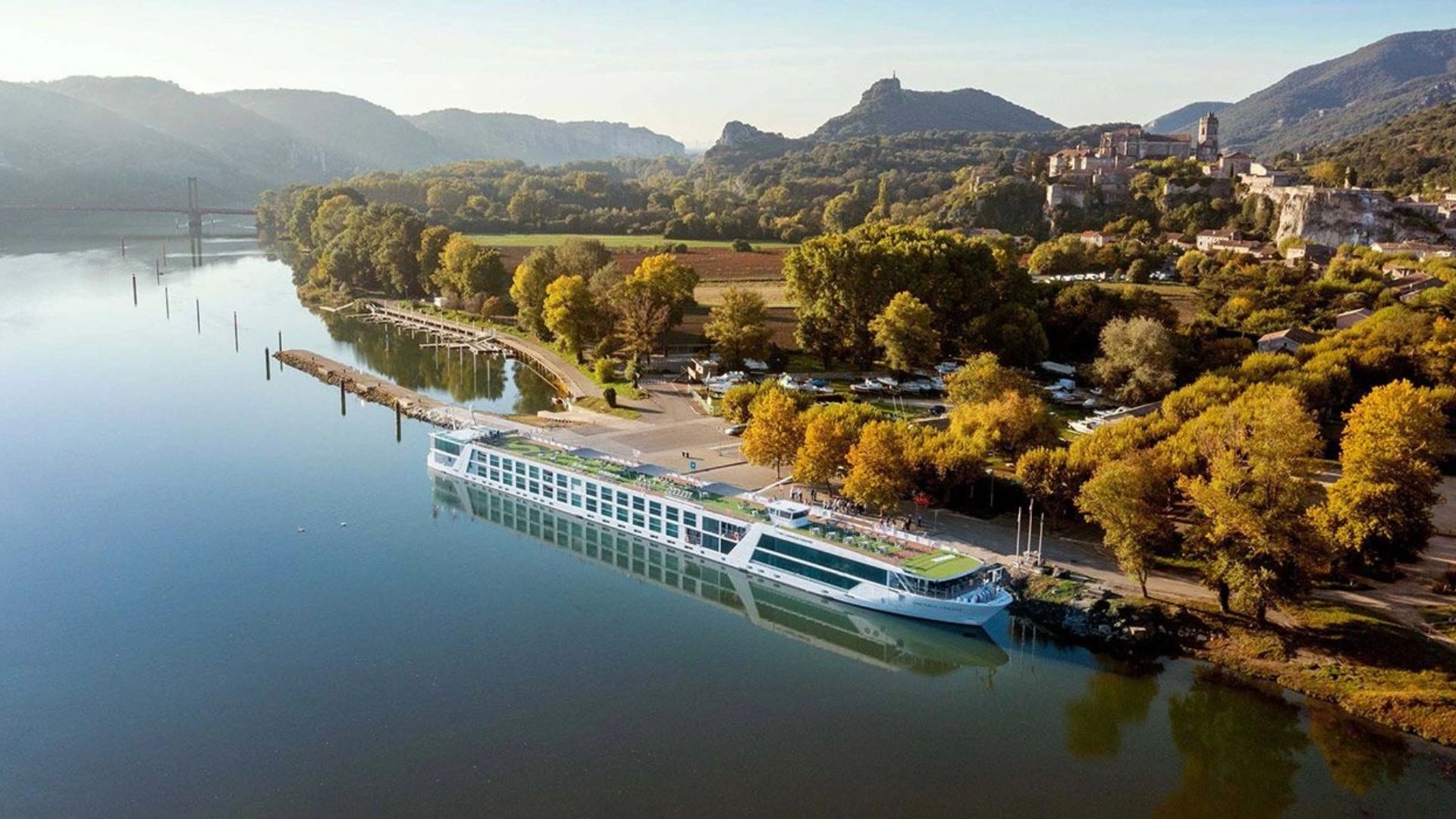
A river cruise is a small-ship holiday on an inland waterway. The ship moors in or near the centre of each town, so you can step off and walk straight into the old quarter. Most river ships carry fewer than 200 guests, and the water is calm, so seasickness is rarely a concern.
Days follow a gentle rhythm. You might spend the morning on a guided walk through Vienna, then watch the Wachau Valley vineyards pass by from the sun deck after lunch. Premium river cruise lines usually include shore excursions and drinks with meals in the fare, which keeps your final bill simple.
What we like about river cruising
- You unpack once and can visit several countries in a week or two.
- Ships moor close to town, often within walking distance of the main sights.
- Small guest numbers make the ship feel relaxed, and it's easy to get to know fellow travellers.
- Generous inclusions on premium lines make it easy to budget before you leave home.
Worth knowing
Evening entertainment is low-key, usually a local performer or a pianist in the lounge. Cabins are also smaller than on an ocean ship, although suites with French balconies or full balconies are widely available. Occasionally, high or low water levels change an itinerary, and when this happens the cruise line arranges ship swaps to keep you on track.
Where can you go river cruising?
Europe accounts for the bulk of river cruise itineraries. The Rhine and Danube are the classic choices, with routes linking Amsterdam and Budapest via the Main River. The Moselle takes you through German wine country, while the Seine connects Paris with Normandy. In France, the Rhône and Saône pass through Burgundy and Provence, and Portugal's Douro Valley offers port lodges and terraced vineyards.
Beyond Europe, you can cruise the Nile between Luxor and Aswan, or the Mekong through Vietnam and Cambodia. Viking also sails the Mississippi in the United States.
Timing matters too. Spring brings tulip season in Holland, while late November and December are popular for Christmas market cruises on the Rhine and Danube.
River cruise lines we recommend
Scenic offers all-inclusive river cruising aboard its Space-Ships, with butler service in every suite. Included excursions are chosen through the Scenic Freechoice program, and guests can borrow e-bikes for rides along the riverbank. Beyond Europe, Scenic sails the Mekong in Vietnam and Cambodia and the Lower Ganges in India.
Emerald Cruises brings a relaxed, contemporary style to its Star-Ships. A highlight is the heated pool with a retractable roof, which becomes a cinema in the evening. Fares include guided excursions and drinks with lunch and dinner.
APT is an Australian-owned company with close to a century in travel. Its river cruises pair well with land touring, handy if you'd like a few extra days in Prague or Budapest before or after the cruise.
Travelmarvel, APT's sister brand, offers premium river cruising with a strong list of inclusions and a slightly less formal feel. It suits travellers who want quality and comfort without the full luxury price.
Viking designed its longships specifically for river cruising, with Scandinavian interiors and a guided excursion included in every port. Viking sails for adults only, which many of our clients appreciate.
Uniworld Boutique River Cruises is known for its richly decorated ships, each with its own design featuring antiques and original artwork. Fares include drinks and gratuities, and beyond the main European rivers, Uniworld sails the Venetian Lagoon and the Nile. [Verify inclusions and itineraries]
Avalon Waterways designed its Suite Ships around the view, with wall-to-wall windows that slide open and beds that face the river. Through the Avalon Choice program, you can pick between different styles of excursion in many ports, including more active options such as cycling and hiking.
AmaWaterways is a family-owned line with a focus on wellness, including a wellness host on board and bikes for guided or independent rides. Many staterooms have twin balconies, a French balcony alongside a full outside one, and The Chef's Table specialty restaurant is included in the fare. Beyond Europe, AmaWaterways sails less common rivers such as the Magdalena in Colombia and the Chobe in southern Africa.
What is ocean cruising?
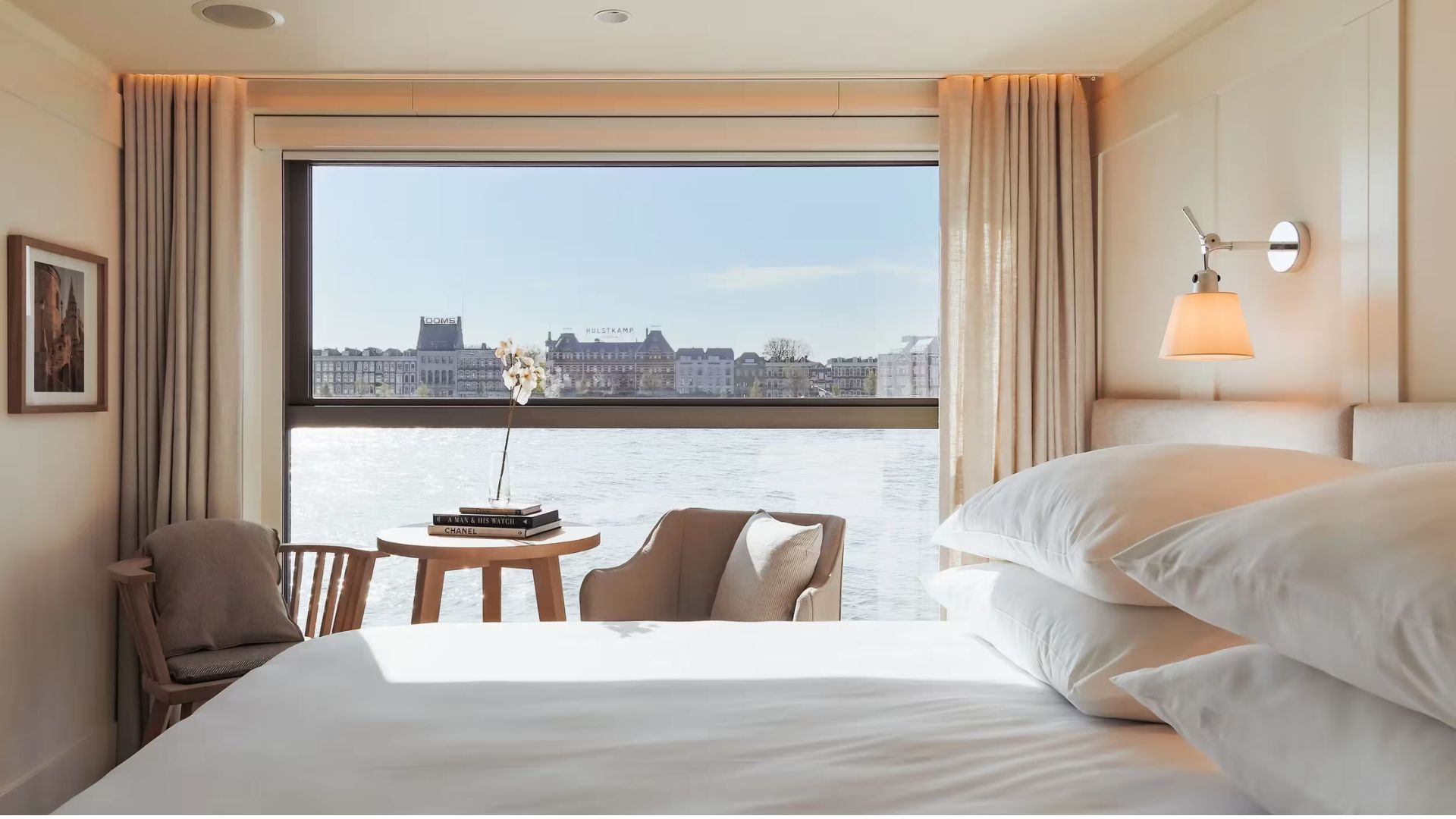
An ocean cruise takes you from port to port by sea, covering longer distances than a river cruise and often including full days at sea. You wake up in a new harbour most mornings, sometimes in a different country, and your room travels with you.
Ship size varies a great deal. Luxury lines such as Silversea and Regent Seven Seas carry several hundred guests, with spacious suites and a quieter atmosphere. Larger ships like those in the Princess Cruises fleet hold several thousand, with a wide choice of restaurants and evening shows.
For many Australians, ocean cruising starts close to home. Ships sail from Sydney, Brisbane, Melbourne and other ports each summer, so you can begin your holiday without a long-haul flight.
What we like about ocean cruising
- You unpack once and wake up somewhere new, often in a different country.
- Sea days give you time to rest and enjoy the ship between busier days in port.
- There's a style for most tastes, whether you prefer a large ship with plenty going on or a smaller luxury ship with fewer guests.
- Itineraries cover almost every part of the world, including cruises departing Australian ports.
Worth knowing
Larger ships sometimes dock outside the city centre, so a few destinations involve a transfer into town. The open ocean can be choppy at times, although modern stabilisers make a real difference. On mainstream lines, drinks and shore tours are usually charged separately, while luxury lines include much more in the fare.
Where can you go ocean cruising?
The Mediterranean is a long-standing favourite, with itineraries that visit the Greek Islands, follow the Italian coast and continue on to Dubrovnik or Spain's Balearic Islands. Northern Europe offers the Norwegian fjords and the Baltic capitals in the European summer.
Alaska's Inside Passage runs between May and September, and many travellers pair it with time on land in the Canadian Rockies. Closer to home, New Zealand and the South Pacific islands are an easy cruise from Sydney. Japan and South-East Asia are also growing in popularity with our clients.
Ocean cruise lines we recommend
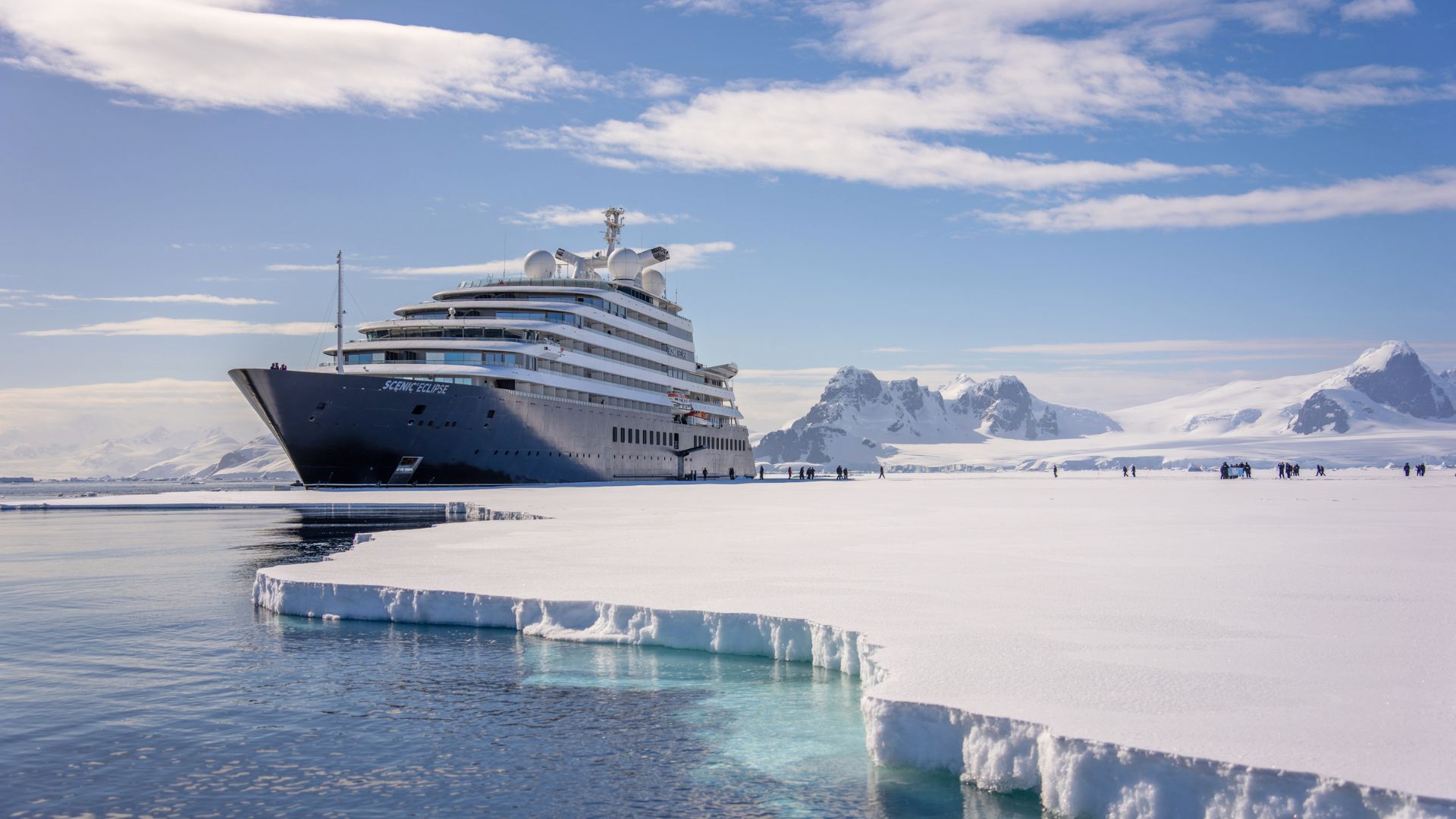
Scenic Eclipse and Scenic Eclipse II also sail ocean itineraries between their polar seasons. With a maximum of 228 guests, these Discovery Yachts can reach smaller harbours in the Mediterranean and Northern Europe that larger ships pass by. Every suite has butler service, and the fare includes all meals, drinks and a choice of shore excursions.
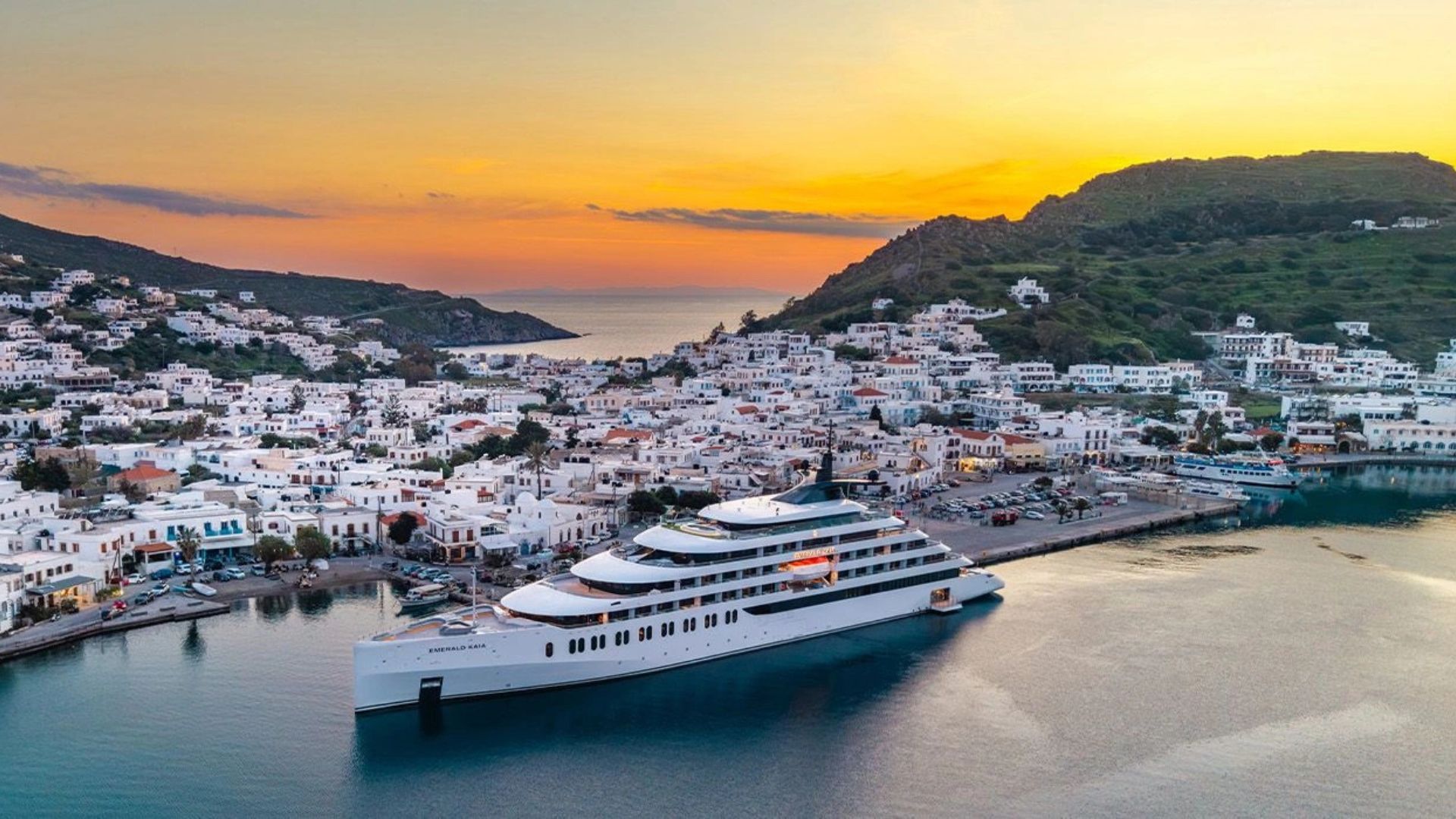
Emerald Yacht Cruises sits somewhere between ocean and river cruising. Its yachts carry around 100 guests into smaller Mediterranean harbours that large ships can't reach. From 2028, Emerald Xara will add itineraries through Asia and the Pacific, including Australia.
Silversea offers luxury cruising with butler service in every suite and fares that include drinks and gratuities. Its newer ships, Silver Nova and Silver Ray, feature the S.A.L.T. culinary program, which builds menus around the food of each region you visit.
Regent Seven Seas Cruises includes unlimited shore excursions in its fares, along with specialty dining, premium drinks, gratuities and Wi-Fi. Suites are generous in size, and guests in higher suite categories also receive a pre-cruise hotel night.
Viking Ocean Cruises carries a maximum of 998 guests on each ship, and every stateroom has its own veranda. There are no casinos and no children on board, and a guided excursion is included in every port.
Princess Cruises suits travellers who like the facilities of a large ship with a polished, comfortable feel. Princess has a long history in Alaska, where cruises can be combined with stays at its own wilderness lodges, and it offers a strong local program from Australian ports.
Oceania Cruises is known for its cuisine, and its specialty restaurants are included in the fare. Ships carry fewer than 1,300 guests, and itineraries allow more time in port, often with overnight stays. Several ships also have a Culinary Center where you can join hands-on cooking classes, usually for an additional cost.
Norwegian Cruise Line is known for "Freestyle Cruising", with no set dining times or formal nights, so you can eat when and where you like. Its larger ships have a wide choice of restaurants and Broadway-style shows, and many sailings can be booked with drinks and other extras bundled into the fare.
Celebrity Cruises offers a modern, premium style with contemporary design and a strong focus on food. Its Edge Series ships feature the Magic Carpet, a platform that moves between decks and doubles as a bar or dining venue. Celebrity sails in Europe and Alaska, and also runs seasons from Australia and New Zealand.
Royal Caribbean suits travellers who like plenty to do on board, with ice shows and a wide choice of restaurants. On Quantum-class ships such as Ovation of the Seas, the North Star glass capsule lifts guests high above the deck for views over the ship and coastline. Several Royal Caribbean ships sail from Sydney and Brisbane during the Australian summer, with itineraries to New Zealand and the South Pacific.
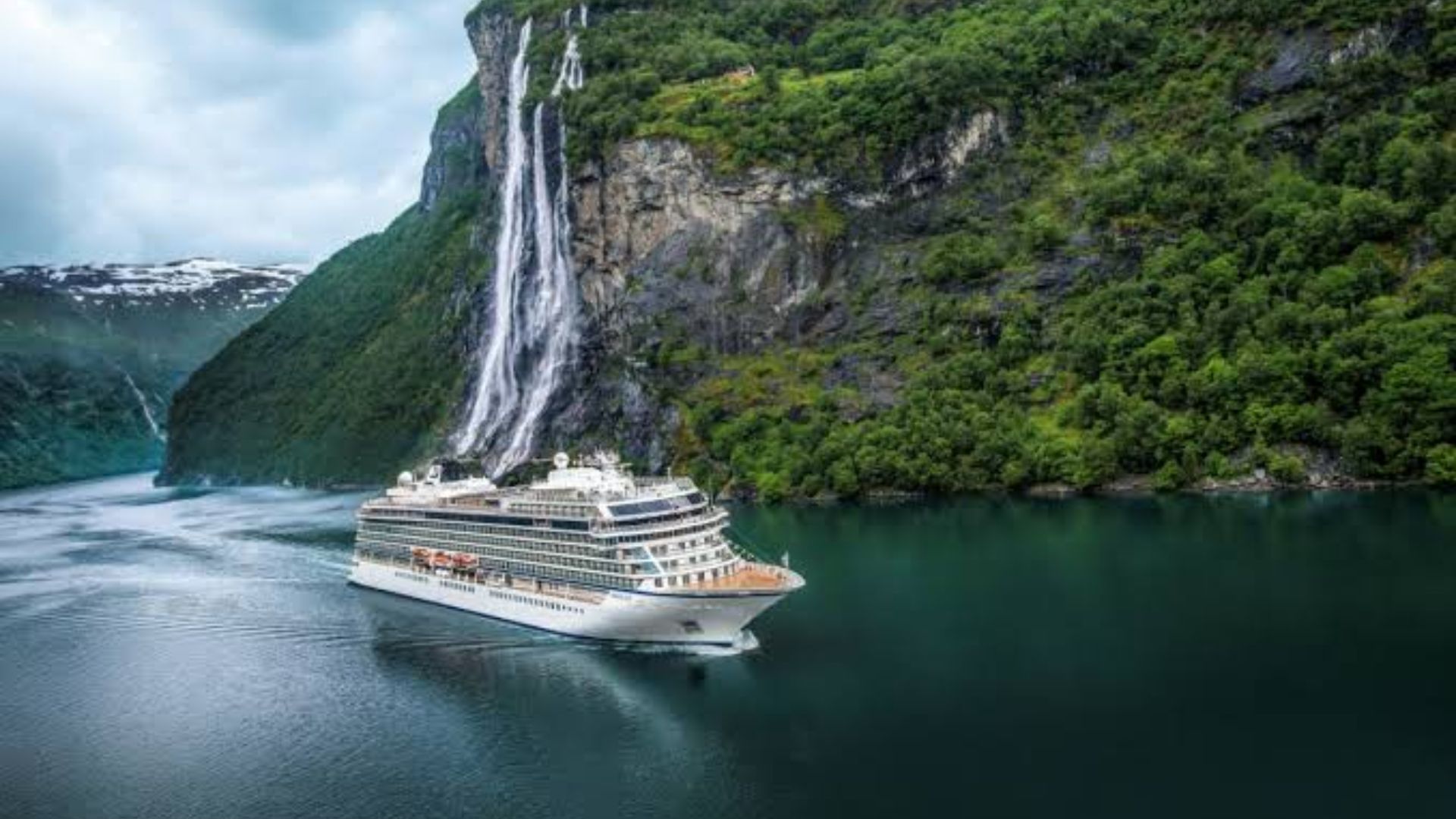
What is expedition cruising?
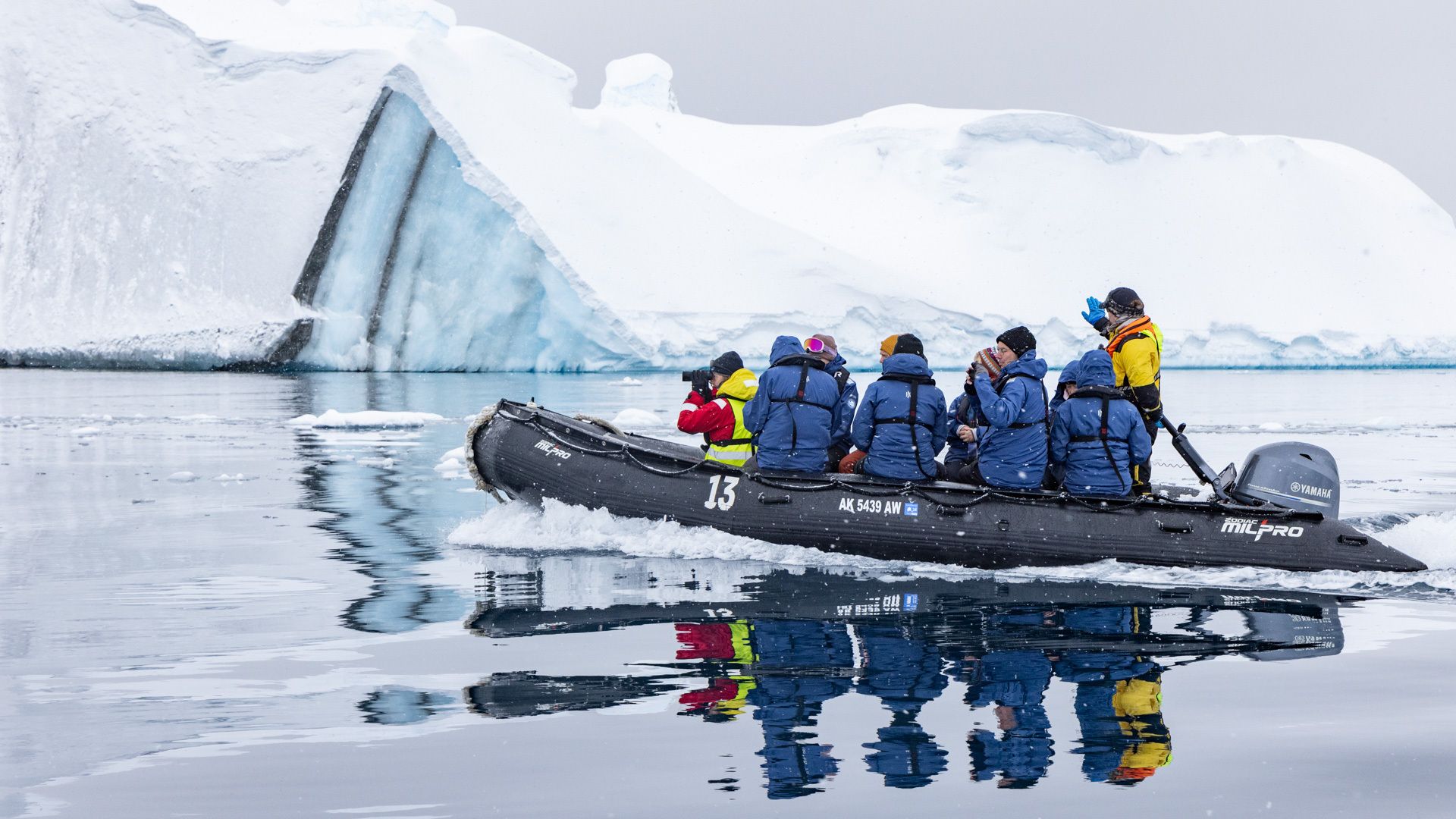
An expedition cruise uses a small, purpose-built ship to reach remote places that conventional cruise ships can't visit, such as Antarctica, the Arctic, the Chilean Fjords, and the Kimberley. There are few ports. Instead, you go ashore in Zodiacs, small inflatable boats that land you on beaches and rocky coves.
An expedition team travels with you, often including naturalists, marine biologists, historians and photographers. They lead the landings and give briefings on board, so you understand what you're seeing. The plan stays flexible, with the expedition leader adjusting each day around the weather and the wildlife.
Today's expedition ships are very comfortable. Many offer balcony suites and spas, and most carry fewer than 400 guests.
What we like about expedition cruising
- You reach places few travellers ever see, often with limits on how many people can go ashore at once.
- Wildlife encounters can be close, with penguins, whales, polar bears and giant tortoises depending on where you sail.
- Onboard lectures give every landing more meaning.
- Guest numbers are small, so the atmosphere is sociable and the crew get to know you.
Worth knowing
Expedition cruises cost more per night than other styles, reflecting the remote locations and specialist team. Zodiac landings need reasonable mobility, although the crew help you in and out of the boats. Some crossings, such as the Drake Passage on the way to Antarctica, can be rough, and a few lines offer fly-cruise options that skip it.
Where can you go expedition cruising?
Antarctica is the destination most people picture, with a season running roughly November to March. The Arctic, including Svalbard and Greenland, is visited in the northern summer, when polar bears and walrus are often seen.
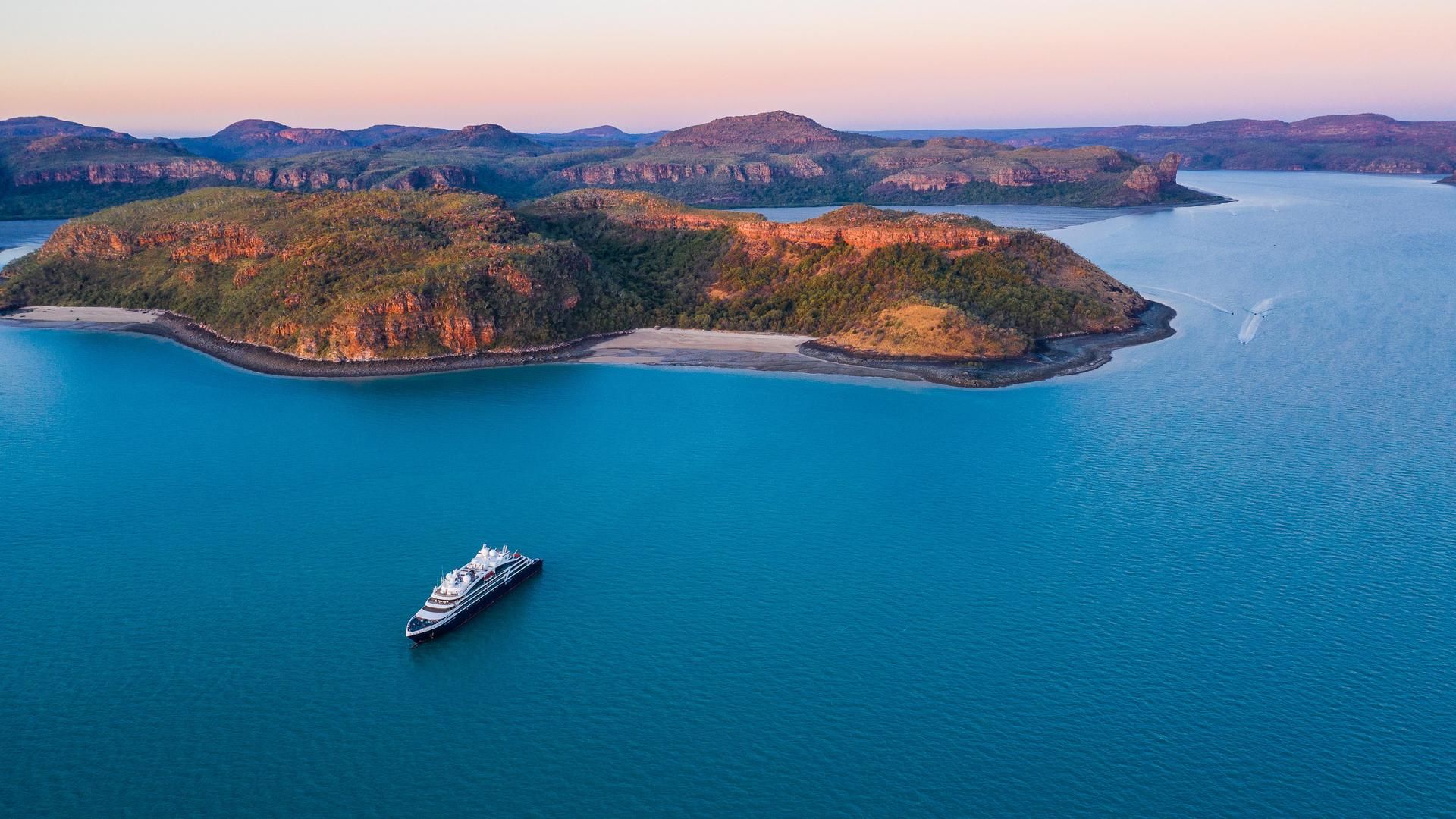
The Galápagos Islands can be visited year-round, and the Chilean Fjords typically follow a similar season to Antarctica. Closer to home, the Kimberley coast in Western Australia offers tidal waterfalls and ancient rock art, with most cruises operating in the dry season. Expedition ships also sail Alaska and the Norwegian coast.
Expedition cruising now reaches well beyond the polar regions. In South-East Asia, small ships explore Indonesia's islands, including Raja Ampat and Komodo. Further east, voyages through Micronesia and the South Pacific call at atolls and villages that rarely see visitors. New Zealand's coastline and sub-Antarctic islands are home to albatross and rare penguin species. Some lines also sail along the African coast, with calls at islands such as Madagascar and the Seychelles.
In the north, Greenland's remote east coast and its fjords have become a destination in their own right. The Great Lakes of North America offer a very different kind of expedition, with Zodiac outings and kayaking between lakeside towns. Norway in winter shows another side of Scandinavia, with the northern lights over snow-covered fjords.
Expedition cruise lines we recommend
Scenic Eclipse and Scenic Eclipse II are Scenic's Discovery Yachts, carrying up to 228 guests with butler service in every suite. Both have helicopters and a submarine on board, available for an additional cost. They sail the polar regions and warmer waters including the Mediterranean, South East Asia and Australia.
HX has decades of experience in polar waters. Ships such as MS Roald Amundsen and MS Fridtjof Nansen use hybrid battery technology, and each has a Science Center where guests can join citizen science projects.
Silversea brings its luxury service to expedition cruising. Silver Endeavour is built for polar waters, while Silver Origin is dedicated to the Galápagos.
Viking Expeditions sails Viking Octantis and Viking Polaris, each carrying 378 guests. The ships include an enclosed marina for launching Zodiacs, and they visit Antarctica and the Arctic as well as North America's Great Lakes.
Ponant brings a French touch to expedition cruising, with small ships that carry fewer than 300 guests. Its polar ship, Le Commandant Charcot, has a high ice-class rating that allows it to sail as far as the geographic North Pole. Closer to home, Ponant is well known for its Kimberley season.
Aurora Expeditions was founded in Australia and has been running expedition voyages for more than 30 years. Its small ships carry around 130 guests and are named after explorers and scientists such as Douglas Mawson and Sylvia Earle. Aurora sails Antarctica and the Arctic, with a strong focus on activities like kayaking and hiking ashore.
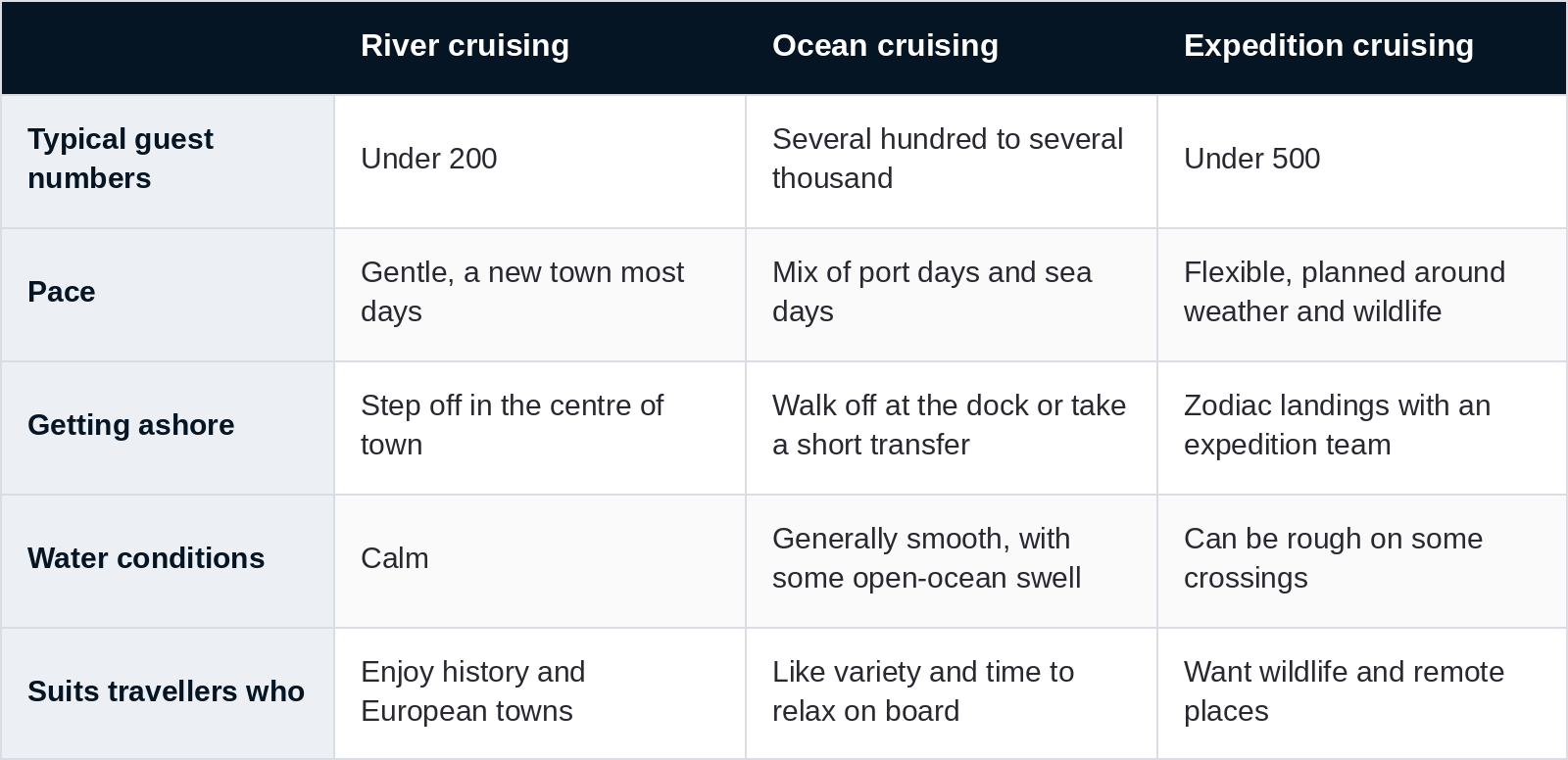
River, ocean and expedition cruising compared
Which style of cruising suits you?
River cruising is a good fit if European towns and their history appeal to you and you'd like a relaxed, well-organised holiday with most things included. It's also a comfortable way to see Europe if you'd rather not change hotels every couple of days.
Ocean cruising suits travellers who enjoy variety. You can choose a large ship with plenty going on, or a smaller luxury ship where the service is more personal. If you'd like to avoid long flights, a cruise from an Australian port is an easy place to start.
Expedition cruising is for travellers drawn to wildlife and remote places. It asks a little more of you physically, and it rewards you with experiences few people get to have.
Many of our clients combine styles over the years, or even on one trip. A Danube river cruise followed by a week in the Greek Islands is a popular pairing, as is an Alaska cruise with a Canadian Rockies land journey.
For expedition voyages and popular river cruise dates, we suggest booking 12 to 18 months ahead, as suites and balcony cabins are often the first to go.
Frequently asked questions
Is river cruising a good choice for a first cruise?
Yes. River cruising is an easy introduction because the ships are small and the water is calm. You're also close to land every day, which many first-time cruisers find reassuring.
Do I need to be fit for an expedition cruise?
You need reasonable mobility to step in and out of Zodiacs and walk on uneven ground. The expedition team helps with every landing, and you can choose which landings to join. If you have mobility concerns, talk to our consultants about which ships and itineraries will suit you.
What is included in a cruise fare?
It depends on the cruise line. Luxury ocean lines such as Scenic, Regent Seven Seas and Silversea include drinks and gratuities, and Regent also includes shore excursions. On river cruises, Scenic and Emerald Cruises include guided excursions in the fare. Our consultants can explain exactly what each fare covers before you book.
Can I combine a cruise with a land tour?
Yes. Most of the cruise lines in this guide offer pre- and post-cruise extensions, and many river cruises can be paired with guided touring. Our consultants can put the pieces together for you, including flights and hotels.
Plan your cruise with Envoyage
Choosing between river, ocean and expedition cruising is easier with someone who knows the ships first-hand. Our consultants have sailed with many of the cruise lines in this guide, and they can match you with a ship and itinerary that suit your pace and your interests.
Be the first to know about our latest travel offers
Our newsletter will keep you updated with personalised deals on flights, hotels, packages